
Ecommerce Content Marketing: How Online Stores Actually Connect With People
Running an ecommerce store isn’t easy anymore.
Everyone’s selling something. Ads are everywhere. Attention spans are short. And customers? They’re way more careful than they used to be.
Just putting products online and throwing money at ads doesn’t cut it now. People want context. They want to know what they’re buying, why it matters, and who’s behind the brand.
That’s where Ecommerce Content Marketing comes in picture.
Not the salesy kind. The useful kind.
So… What Is Ecommerce Content Marketing, Really?
It’s simple.
Ecommerce content marketing is about creating content that helps people before they buy.
That could be:
answering common questions
explaining how a product works
comparing options
showing real use, not just polished photos
Blogs, videos, emails, social posts — they all count. The format doesn’t matter as much as the intent.
The goal isn’t to sell every time.
The goal is to help first.
When people feel informed, buying feels easier.
Why ECOMMERCE CONTENT MARKETING Matters So Much for Online Stores?
Most people don’t buy the first time they see a product.
They research. They compare. They read. They watch.
If your brand shows up during that phase with genuinely helpful content, something important happens: trust.
Good content helps you:
show up on search without ads
look like you know your stuff
keep people on your site longer
support decisions without pressure
And the best part?
Once it’s created, content keeps working in the background.
Start With the Customer (Not the Content)
A lot of ecommerce brands mess this up.
They create content because they should, not because they know who they’re talking to.
Before writing anything, ask:
What’s confusing my customer right now?
What are they unsure about before buying?
What would I Google in their place?
When content feels specific, people feel seen.
That’s when it starts working.
Content That Actually Works for Ecommerce
You don’t need everything. You need the right things
Blog Content
Blogs are great for explaining things clearly.
Buying guides, comparisons, care tips, and “how it works” posts help customers feel confident — and they help with search too.
Video Content
Video removes doubt fast.
Demos, tutorials, real-life use, even simple phone videos — they show what photos can’t.
Social Media Content
This is where your brand feels human.
Quick clips, customer reviews, casual posts, behind-the-scenes stuff. Nothing fancy. Just real.
Product-Support Content
FAQs, clear product pages, real customer stories.
This is the content people read right before buying — so it matters more than you think.
Don’t Turn Everything Into a Sales Pitch
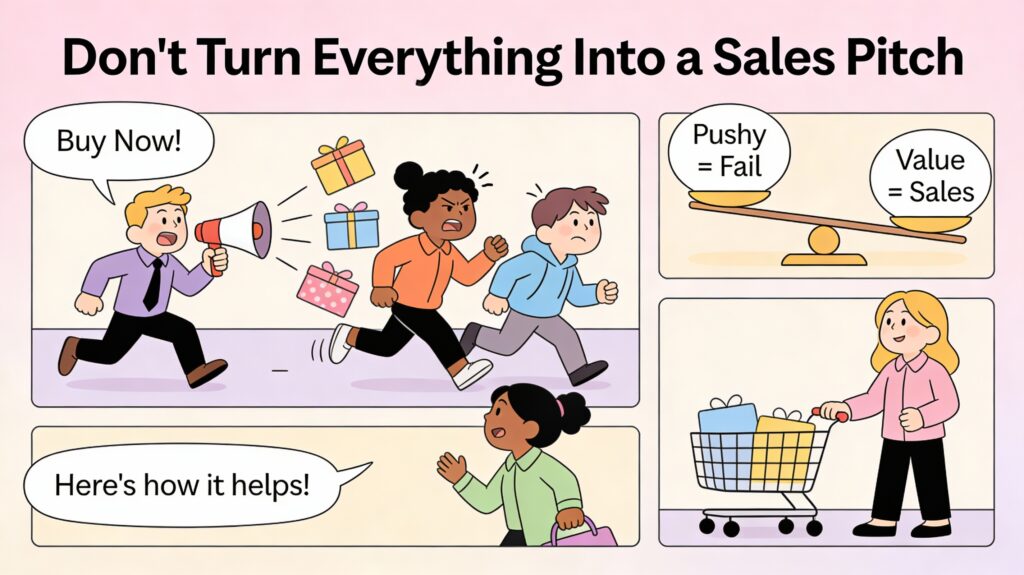
Not everything needs a call to action.
If every post is “buy now,” people tune out.
A better balance:
most content helps or explains
some content gently guides toward a product
When people trust your advice, selling feels natural.
SEO Matters (But Don’t Make It Obvious)
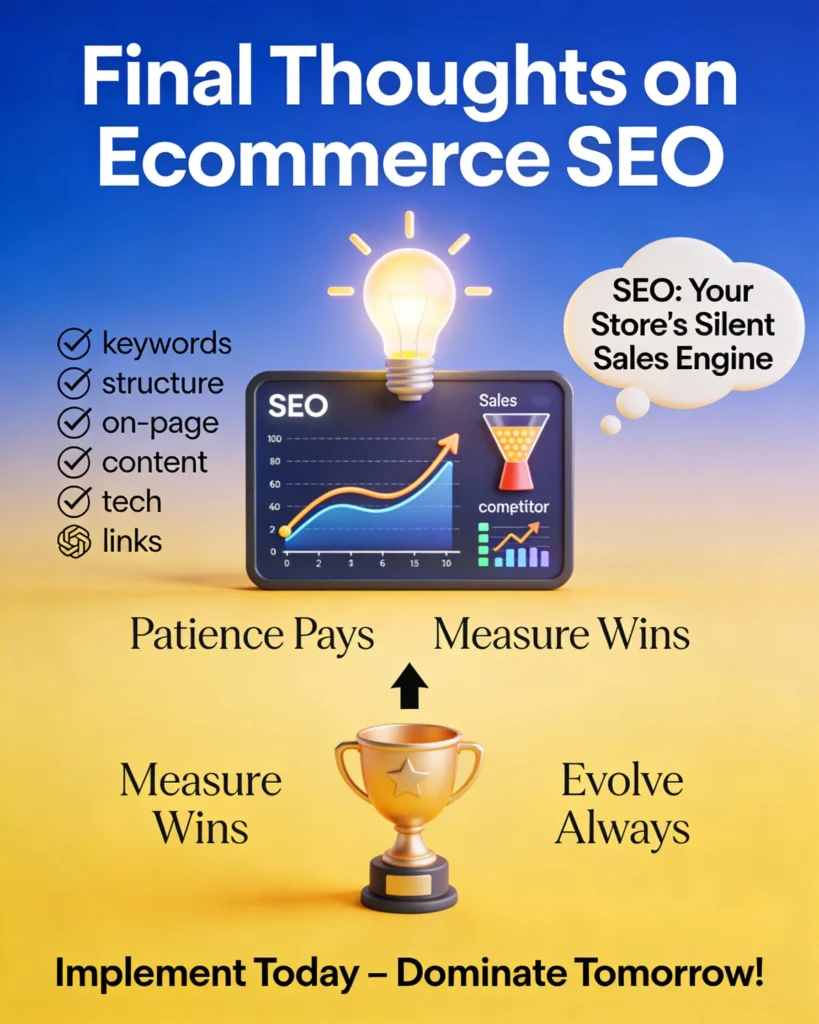
Content needs to be found. That’s where SEO helps.
Clear headings.
Natural keywords.
Mobile-friendly pages.
If it sounds forced, you’ve gone too far.
Good SEO should feel invisible to the reader.
Pay Attention to What Works
Content marketing isn’t guesswork.
Look at:
what brings people to your site
what keeps them reading or watching
what leads to product views
Then do more of that.
And less of what no one touches.
Add Your Heading Text Here

A solid ecommerce content strategy isn’t about quick wins.
It’s about building trust over time.
When you focus on helping instead of pushing, people notice.
They remember your brand.
And when they’re ready to buy, they come back.
It takes patience.
But done right, it’s worth it.