
Ecommerce Marketing Tips for Beginners
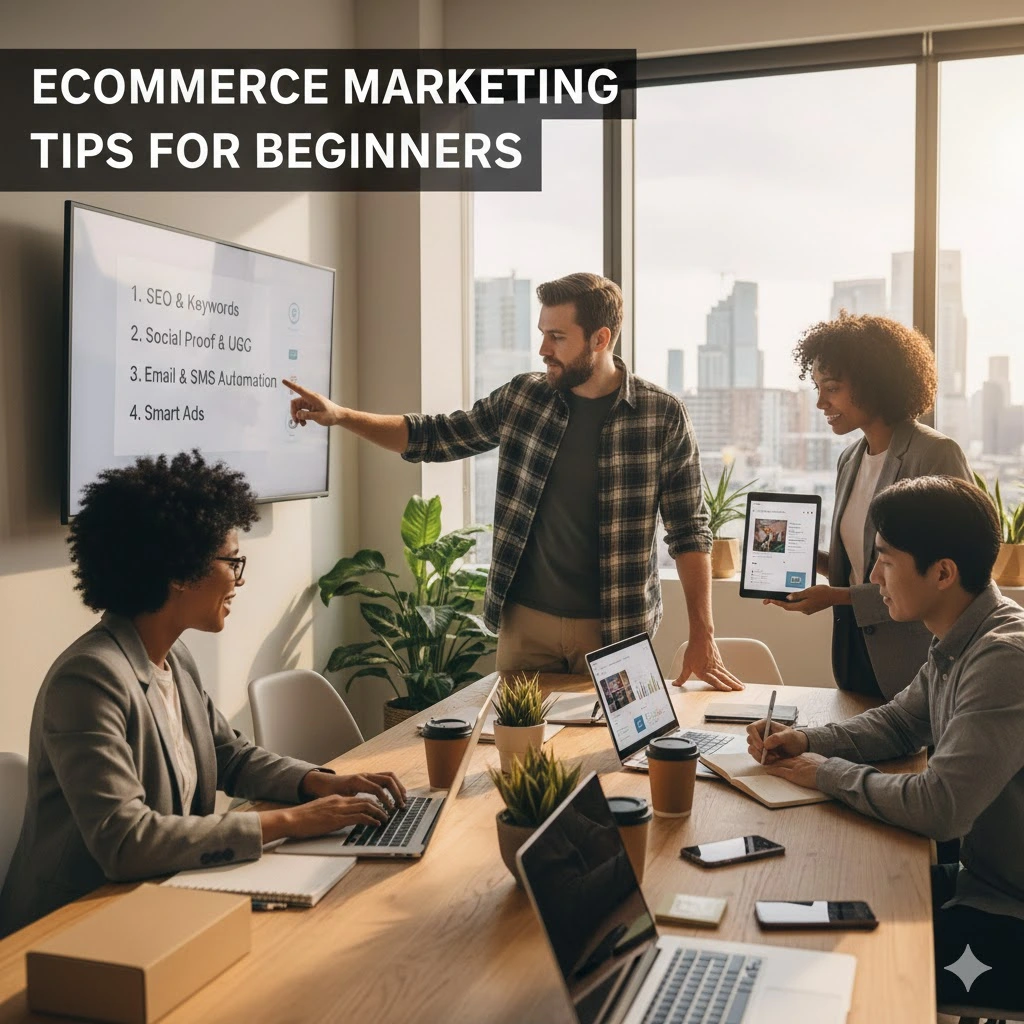
So, you’ve started an online store. Awesome! But now comes the tricky part—getting people to actually buy stuff. Don’t stress, though. You don’t need a huge budget or fancy marketing skills to make this work. Here’s a super casual guide with Ecommerce Marketing Tips for Beginners that actually makes sense and you can start using today.
1. Know Who You’re Selling To
The first step in any good strategy is knowing your audience. One of the most important Ecommerce Marketing Tips for Beginners is this: don’t try to sell to everybody. You’ll just waste time and money.
Ask yourself:
What problem does my product solve?
Who actually needs it?
Where do they hang out online?
When you know exactly who you’re talking to, all your marketing stuff—social posts, ads, emails—works better.
2. Keep Your Website Simple
Another key piece of Ecommerce Marketing Tips for Beginners: make your website easy to use. If it’s slow, messy, or confusing, people bounce.
Keep the design clean—don’t make it look like a circus.
Make product descriptions short and clear—no one wants to read essays.
Checkout should be super simple. Fast clicks = more sales.
Make sure your site works well on mobile. Most people shop from their phones anyway.
Simple websites = more trust = more sales.
3. Use SEO for Free Traffic
SEO is boring but powerful. One of the most underrated Ecommerce Marketing Tips for Beginners is to start SEO from day one. It takes time but brings free traffic.
Here’s what to do:
Use keywords in your product titles and descriptions. Think: what would your customer search?
Write short, clear meta descriptions.
Name your images properly and add alt text.
If you can, write blog posts that answer questions about your products.
SEO won’t blow up overnight, but it’s one of the best Ecommerce Marketing Tips for Beginners that actually pays off long term.
4. Pick 1 or 2 Social Media Platforms
You don’t need to be everywhere. Another tip from Ecommerce Marketing Tips for Beginners: focus on one or two platforms where your audience already is.
Post regularly, but don’t overdo it.
Share behind-the-scenes content, how-to posts, and customer stories.
Engage with people—reply to comments and DMs.
Being real beats being over-polished any day.
5. Start Building Your Email List Early
Here’s a classic one from Ecommerce Marketing Tips for Beginners: don’t wait to start your email list. Emails are still one of the best ways to connect with your customers.
Offer a discount or freebie for signing up.
Send a simple welcome email.
Occasionally send updates, new products, or exclusive deals—don’t spam.
Your email list is gold. Own it from the start.
6. Paid Ads—Only If You’re Ready
Paid ads can be great, but one of the most common mistakes beginners make is blowing money too fast. Another tip in Ecommerce Marketing Tips for Beginners: start small, test, then scale.
Promote products that are already popular.
Target specific people, not everyone.
Track results and tweak or stop what’s not working.
Ads can work, but they’re not magic. Mix them with free traffic methods.
7. Build Trust with Your Customers
Trust is huge. If people don’t trust your store, they won’t buy. One of the most important Ecommerce Marketing Tips for Beginners: focus on building trust first.
Show real customer reviews.
Use real product photos. No stock images.
Make return and shipping policies easy to find.
Respond quickly to questions.
Trust = repeat buyers + recommendations. Simple.
8. Track What’s Working
Another easy but often missed tip from Ecommerce Marketing Tips for Beginners: track your results.
How many people are visiting your site?
Which products are selling the most?
Where is traffic coming from—social, Google, or ads?
Once you know what’s working, do more of that. Stop wasting energy on things that don’t work.
9. Be Consistent and Patient
The last tip in my list of Ecommerce Marketing Tips for Beginners: don’t expect overnight success. Ecommerce takes time.
Consistency beats trying to be perfect. Show up, tweak things, learn from mistakes, and slowly improve.
Final Thoughts
Marketing your store doesn’t need to be hard. Focus on the basics: know who you’re selling to, make your website easy, keep it real on social, and build trust. Then, just keep improving over time.
You don’t need to be perfect, just keep at it. You’ll get there!