

Ecommerce SEO Strategy
If you run an ecommerce store, you’ve probably felt this before.
You’re doing the work. Your products are solid. But the traffic just isn’t showing up the way you expected.
Ads can help, no doubt—but they get expensive quickly. And the second you stop paying, everything stops with them. That’s why ecommerce SEO STRATEGY still matters. Not because it’s trendy or complicated, but because it brings the right people to your store quietly and consistently over time.
So let’s talk about ecommerce SEO STRATEGY in a practical way.
What is Ecommerce SEO?
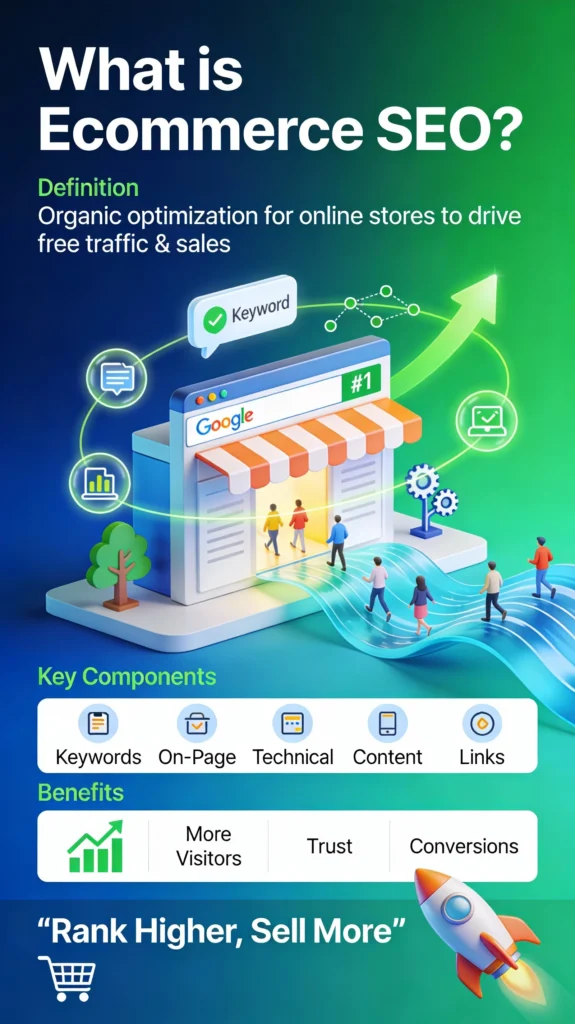
Ecommerce SEO is basically making your online business more visible when consumers search for similar products on Google.
That is it.
It’s not about tricking search engines or chasing algorithms. It’s about,
Understanding what your customers are searching for, Creating pages that actually answer those searches, Making your website easy to navigate and fast to load. When those things come together, Google starts sending you visitors who are already interested in buying. THAT’S WHERE ECOMMERCE SEO STRATEGY COMES IN PICTURE.
Why SEO Is Worth Your Time?
Most people don’t go past the first page of Google. If your store isn’t there, it might as well not exist.
SEO allows you to show up without having to pay for each click. It gradually establishes trust, not only with search engines, but also with clients. When someone sees your store ranking naturally, it appears more trustworthy than an advertisement.
And the best part? SEO continues to work even when you are not actively investing money on it.
Begin Where Every Shopper Starts: Search. Before touching your website, you need to know how people search. Don’t overthink this. Type your product into Google or Amazon and look at the suggestions. Those are real searches from real people.
Focus on:
- Product-related searches
- Category-level searches
- Questions people ask before buying
Not every keyword needs huge traffic. Sometimes a very specific search brings fewer visitors—but those visitors are far more likely to buy.
Fix the pages that really matter-
Product and category pages are where sales occur. These pages should receive more attention than everything else on your website.
Write descriptions as if you were speaking to a customer, not a search engine. Describe the product, who it is for, and why it is useful. Avoid copying descriptions from suppliers—Google detects this everywhere.
Use straightforward titles, clean URLs, and honest descriptions. If a customer understands the product better after reading the page, you are doing it correctly.
Make Your Store Easy to Use-
People leave if your website is difficult to understand. Simple as that. Even a first-time visitor should be able to easily navigate your store. Categories should make sense. Products should not be hidden five clicks deep. If someone wants to return or investigate further, it should feel natural.
Take Care of the Technical Basics-
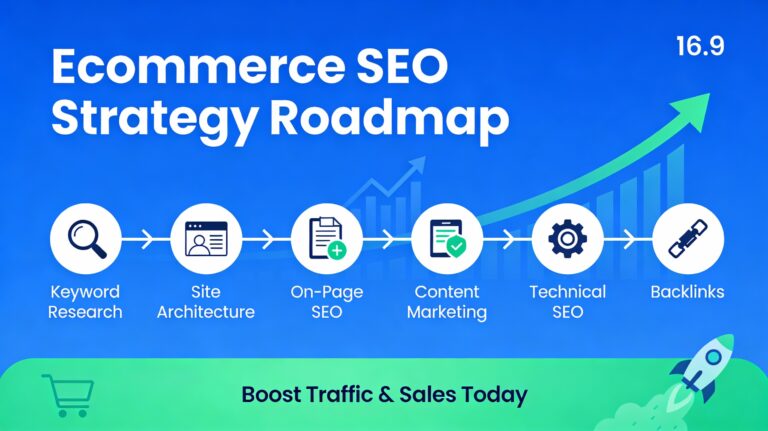
You don’t need to be a developer, but some basics matter: Your site should load fast It should work properly on mobile Broken pages and links should be fixed Important pages should be indexed Technical SEO is not exciting, but it is vital. Consider it as maintaining your store clean and operational behind the scenes.
Use Content to Answer Real Questions-
Not everyone is prepared to buy straight immediately. Some people continue to research, compare, and learn. This is where BLOGS and guides may help. Write about what your customers really want to know. Buying recommendations, comparisons, tips, and frequently asked questions work effectively. You don’t need to sell aggressively; simply be helpful. Over time, this content fosters trust and draws consumers back when they are ready to buy.
Build Trust Beyond Your Website-
When other websites mention or link to your store, Google receives a strong indication that your brand is authentic and trustworthy. You do not need hundreds of links. A few decent ones from appropriate websites can make a significant difference. Partnerships, guest pieces, and genuine mentions do better than shortcuts.
Final Thoughts
Ecommerce SEO isn’t fast or glamorous. But it works.
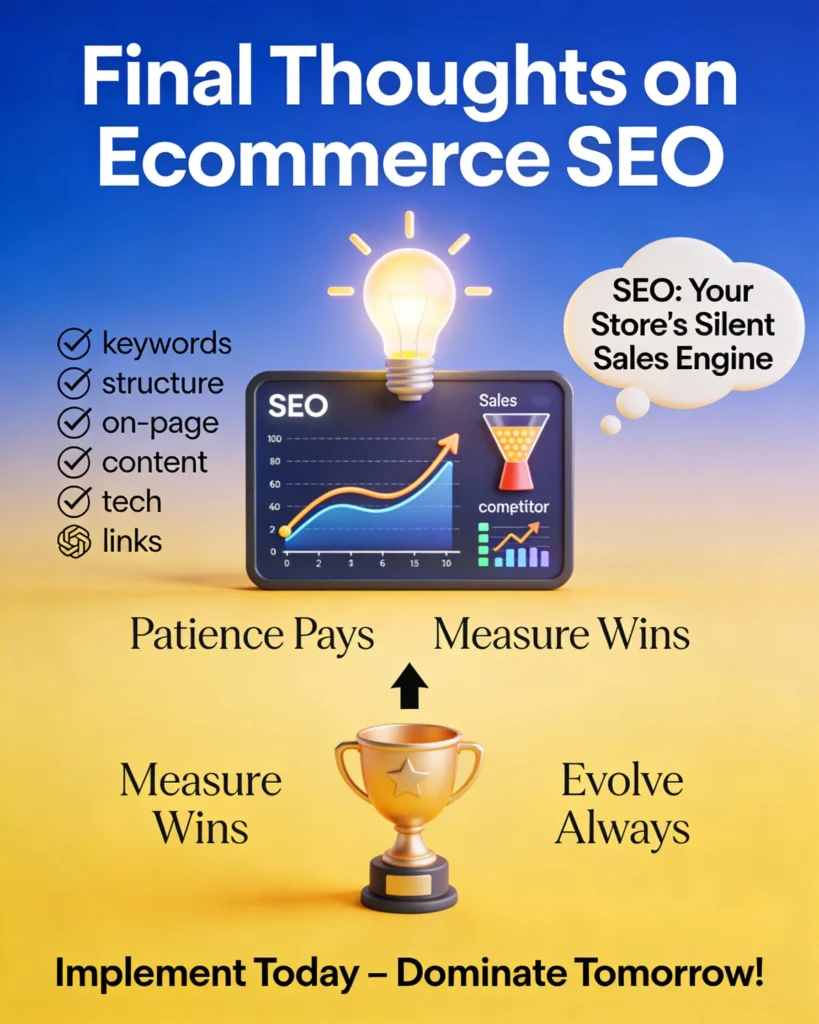
Results come naturally when you focus on actual people, write honestly, and make your website easy to use. It requires patience, but the reward is steady traffic and sales that do not disappear overnight.
That is the type of growth that every online firm requires.