

Social Media Marketing for Ecommerce: Converting Scrolls to Sales

Social media isn’t just about memes and trends anymore. It’s where people discover products, read honest opinions, and sometimes buy things without ever leaving the app.
You’ve probably done it yourself.
You see a product on Instagram. Later it pops up again on TikTok. You scroll through the comments, maybe save the post. A few hours later, you’re checking out.
That’s exactly why social media marketing for ecommerce matters so much right now.
When it’s done right, social media does more than bring people to your website. It builds trust, starts real conversations, and slowly turns casual scrolling into actual sales.
What Social Media Marketing for Ecommerce Really Means
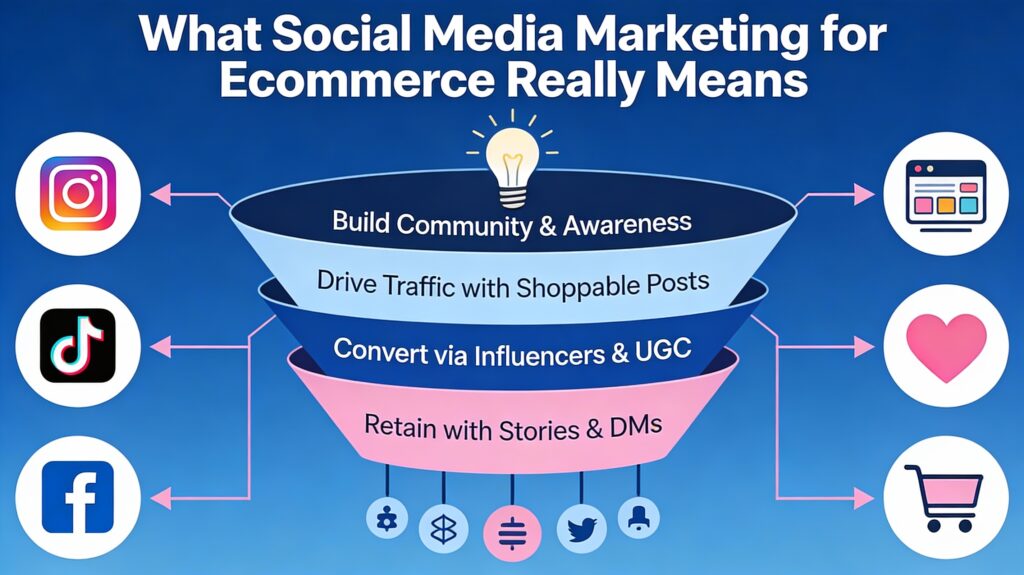
Social media marketing for ecommerce isn’t just posting product photos with prices. That rarely works on its own.
It’s about:
showing how products fit into real life
telling stories instead of pushing sales
interacting with people, not talking at them
Platforms like Instagram, TikTok, Facebook, YouTube, Pinterest, and X let brands show up at every stage — discovery, consideration, buying, and even after the purchase.
And that connection? That’s what makes the difference.
Why Social Media Is So Powerful for Ecommerce
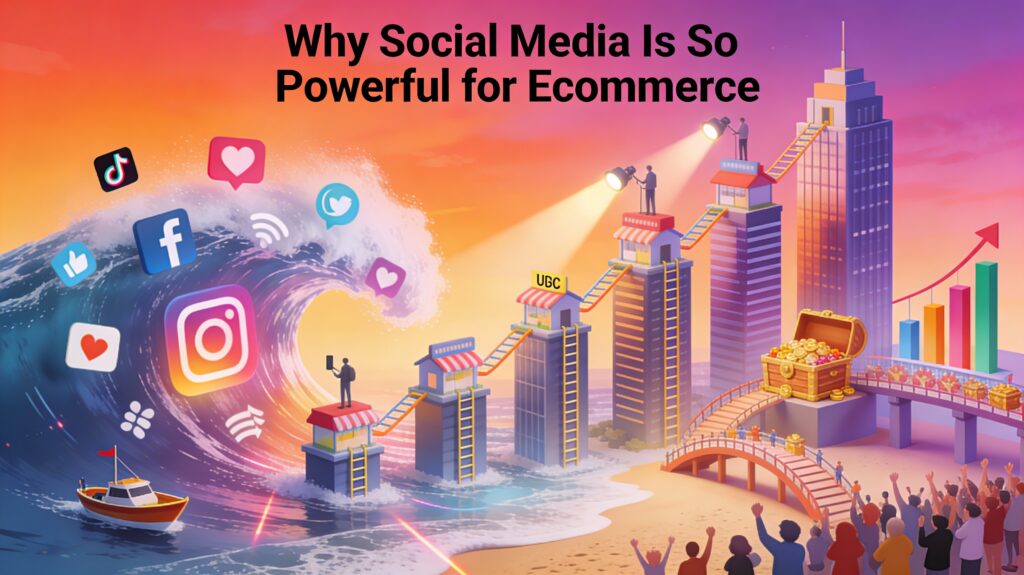
People don’t just buy products anymore. They buy based on trust, feelings, and what others say.
Social media helps with all of that.
Here’s why it works so well:
Products are discovered naturally while scrolling
Real people using products feel more believable than ads
Shoppable posts shorten the path to checkout
Comments and DMs make brands feel accessible
In short, social media makes ecommerce feel human.
Don’t Post Randomly — Start With a Plan

Before posting anything, ecommerce brands need clarity.
Ask yourself:
Who am I actually talking to?
Where do they spend most of their time?
What am I trying to achieve right now?
Different goals need different content.
Brand awareness looks different from sales.
Community building isn’t the same as traffic.
Without a plan, content becomes inconsistent — and people notice.
Add Your Heading Text HeContent That Actually Works on Social Media for Ecommercere
Not everything performs well. The content that works best usually feels real, simple, and useful.
Short Videos
Quick demos, unboxings, and “here’s how it works” clips help people understand products fast. Short videos show things photos can’t.
User-Generated Content
Nothing builds trust like real customers. Reviews, photos, and casual videos from buyers often convert better than polished brand content.
Shoppable Content
When people are interested, don’t slow them down. Product tags in posts, reels, and stories make buying easy.
Stories and Live Content
Stories and lives feel unfiltered. Q&As, launches, limited offers, and behind-the-scenes moments create urgency and connection.
Influencers Work — If They Feel Real
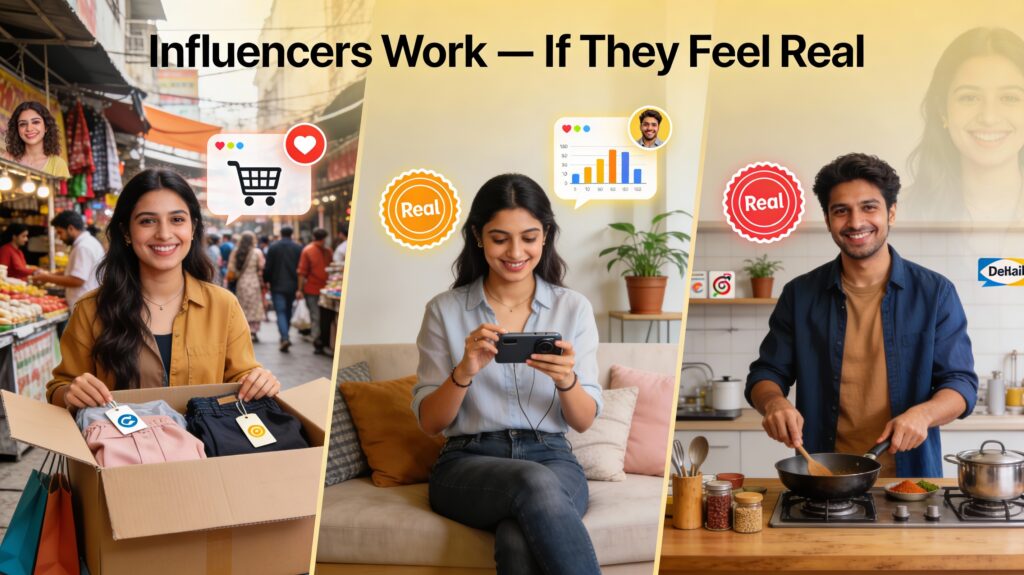
Influencer marketing doesn’t mean hiring someone famous.
Smaller creators often perform better because their audience trusts them more.
Look for creators who:
fit your brand naturally
already like similar products
speak in their own voice
If it looks forced, people scroll past.
If it feels genuine, people listen.
Make Buying Simple (Really Simple)
One big mistake ecommerce brands make is adding too many steps.
If buying feels annoying, people leave.
Keep it easy:
use Instagram and Facebook Shops
add clear “Shop Now” buttons
make sure pages load well on mobile
offer simple payment options
Less friction = more sales.
Track What Leads to Sales, Not Just Likes
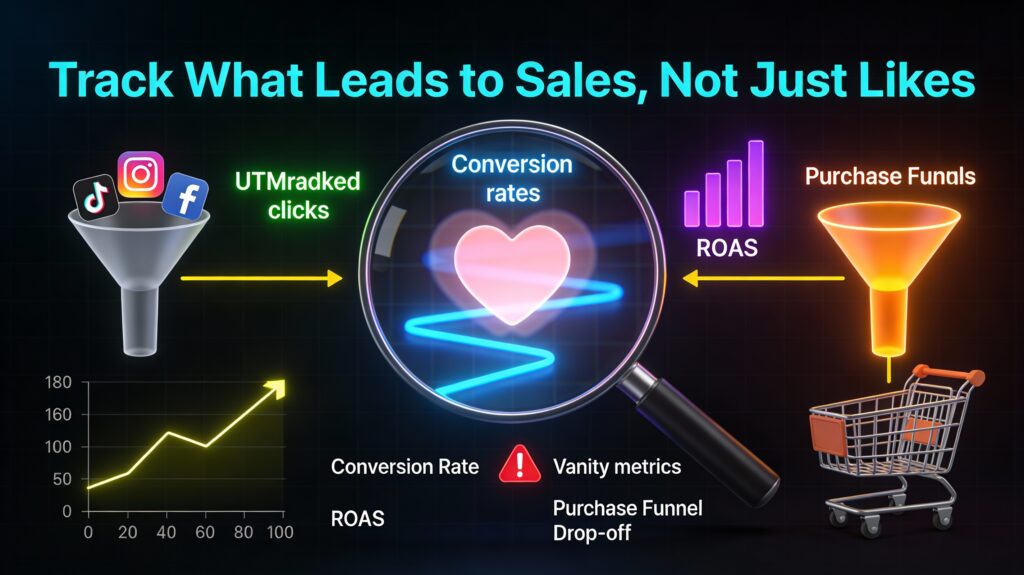
Likes are nice, but they don’t pay the bills.
Focus on:
link clicks
add-to-cart actions
conversions from social traffic
meaningful engagement (comments, saves, shares)
repeat customers influenced by social content
These numbers tell you what’s actually working.
Final Thoughts

Social media marketing for ecommerce isn’t about shouting louder than everyone else. It’s about showing up consistently and being real.
The brands doing well today treat social media like a conversation, not an ad space. They educate, respond, share, and listen.
When people feel connected to a brand, buying becomes easy — almost natural.
That’s how scrolling turns into sales. CONTACT US FOR MORE INFORMATION